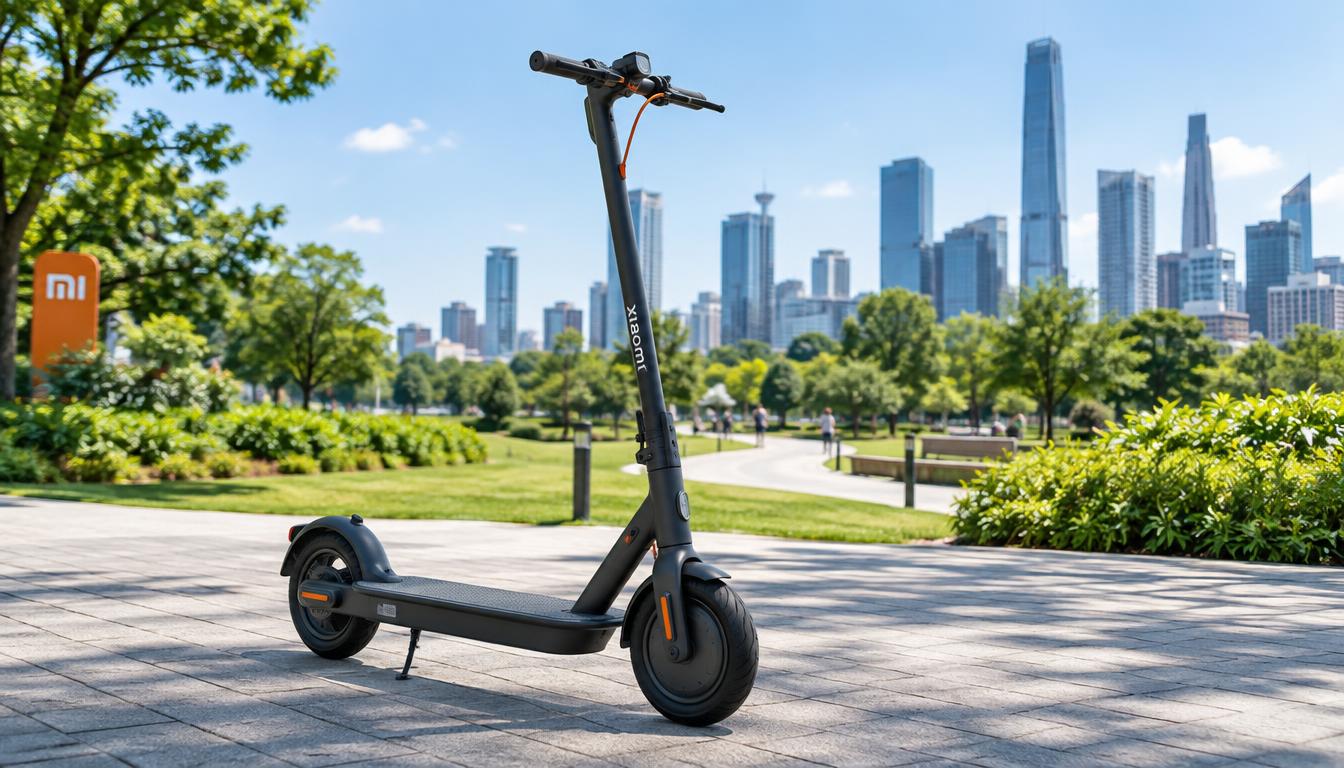
Xiaomi reported about $1.2 billion in electric scooter revenue in 2024, showing how much the category has grown. Since the M365 launched in 2017, Xiaomi added commuter and long-range models: Scooter 4, Elite, Scooter 5, and Series 6.
This 2026 buying guide compares each Xiaomi electric scooter and explains what U.S. riders should check before buying. Xiaomi unveiled Series 6 in Europe in February 2026, but U.S. availability remains unconfirmed. It helps us find the best electric scooter for our routes, budgets, and comfort needs.
Key Takeaways
- The M365 helped make Xiaomi a major name in electric scooters.
- The lineup spans basic commuters and longer-range models.
- Series 6 was unveiled in Europe, but U.S. availability is unconfirmed.
- Compare range, ride comfort, weight, and support before choosing.
- Check the seller and warranty before buying in the United States.
Why the Xiaomi Electric Scooter Stands Out
Xiaomi entered the market with a simple goal: make useful technology available to more people. Its first xiaomi electric scooter brought that goal to city travel with practical features and a price that attracted wide interest.
How the M365 helped popularize electric scooters
Lei Jun founded Xiaomi in Beijing in 2010. Xiaomi launched the M365 in 2017 with a 250-watt rated motor, a 280Wh battery, and a claimed range of 30 kilometers. It reached 25 km/h and weighed 12.5 kilograms.
At about $499, the M365 offered features often found on scooters costing $800 or more. It won a Red Dot Design Award and served shared-scooter companies, including Bird, Lime, and Spin. This Xiaomi scooter history shows how one model brought electric scooters to more riders.
Design, portability, and value for everyday riders
The M365 used 8.5-inch pneumatic tires and a folding frame, so riders could carry and store it more easily. Front E-ABS and a rear disc brake supported controlled stops. Its maximum load was 100 kilograms.
Xiaomi’s “innovation for everyone” approach continues across budget and premium models. The brand changed its product name from “Mi Electric Scooter” to “Xiaomi Electric Scooter” with the Series 4 generation. Riders comparing an affordable electric scooter can choose from several features and prices.
What to consider about U.S. availability and support
Because availability and service vary by market, U.S. buyers should check a seller’s warranty and repair terms before buying. Available information does not confirm Xiaomi’s U.S. service or warranty details. Levy Electric is one alternative with dedicated U.S. service.
According to the cited market information, Xiaomi and Segway-Ninebot together account for more than 30% of global electric scooter sales. Series 6 launched in Europe on February 10, 2026. U.S. availability remained unconfirmed.
| Detail | M365 specification or context |
|---|---|
| Launch year | 2017 |
| Motor | 250W rated; 500W peak output |
| Battery and claimed range | 280Wh; up to 30 km |
| Top speed and weight | 25 km/h; 12.5 kg |
| Tires and brakes | 8.5-inch pneumatic tires; front E-ABS and rear disc brake |
| Original price and load limit | About $499; maximum load of 100 kg |
Xiaomi Electric Scooter Models: From the M365 to the Scooter 4
Xiaomi’s scooter range includes light city models and longer-range commuters. Older versions remain common on U.S. roads and in used listings. The newer Series 4 launched in 2023, adding larger tires and higher load limits on select versions.
Legacy models: M365, Essential, 1S, Pro 2, and Mi 3
The M365 set the pattern with a 25 km/h top speed and a claimed range of 30 km. The Essential reduced battery size and speed for a lighter, shorter-range ride. The 1S added three ride modes, an updated display, and a better Bluetooth connection.
The Pro 2 offered a larger battery, a 45 km claimed range, and a 20% climbing angle. The Mi 3 used a smaller battery, with a 30 km claimed range and a 16% climbing angle. These legacy models are discontinued, but replacement parts remain widely available through a large aftermarket.
Current options: Scooter 4 Go, 4 Lite, 4 Standard, 4 Pro, and 4 Ultra
The Scooter 4 Go is the budget entry, with solid tires and a modest range. The 4 Lite adds pneumatic tires and more power. The 4 Standard adds 10-inch tubeless tires and a larger load limit.
The Pro versions target longer commutes with larger batteries and longer claimed ranges. The 4 Ultra tops the range. It pairs dual suspension with DuraGel tires, a 25% climbing angle, and an IP55 water-resistance rating.
How Xiaomi’s Go, Lite, Standard, Pro, and Ultra tiers differ
Go suits short, simple trips, while Lite serves basic commuting. Standard is the mainstream choice; Pro models focus on longer rides; use xiaomi scooter specifications for route planning. Ultra is the flagship, and Elite is a value-focused midrange tier; claimed range is a test figure, not everyday distance.
The figures below show key differences across Xiaomi electric scooter models. Prices are approximate, and the manufacturer claims the listed range figures.
| Model | Motor, rated/peak | Battery | Claimed range and top speed | Weight | Key details |
|---|---|---|---|---|---|
| M365 | 250W/500W | 280Wh | 30 km; 25 km/h | 12.5 kg | Legacy model |
| Essential | 250W/500W | 183.6Wh | 20 km; 20 km/h | 12 kg | Legacy model |
| 1S | 250W/500W | 275Wh | 30 km; 25 km/h | 12.5 kg | Three ride modes; updated display and Bluetooth |
| Pro 2 | 300W/600W | 474Wh | 45 km; 25 km/h | 14.2 kg | IP54; 20% climb; 8.5-hour charge; original price about $549 |
| Mi 3 | 300W/600W | 275Wh | 30 km; 25 km/h | 13.2 kg | 16% climb; rear dual-pad disc brake with E-ABS; 5.5-hour charge |
| 4 Go | 250W/450W | 165Wh | 18 km; 20 km/h | 13.7 kg | 8.1-inch solid tires; IPX4; 90 kg load; about $330 |
| 4 Lite | 300W/600W | 187Wh | 20 km; 25 km/h | 15.6 kg | 8.5-inch pneumatic tires; IP54; 100 kg load; 4.5-hour charge; about $400 |
| 4 Standard | 300W/600W | 275.4Wh | 35 km; 25 km/h | 17.2 kg | 10-inch tubeless tires; 110 kg load; 16% climb; about $450–$499 |
| 4 Pro, first generation | 350W/700W | 446Wh | 55 km; top speed not specified | 17 kg | DuraGel self-sealing tires; 120 kg load; 20% climb; about $700 |
| 4 Pro, second generation | 400W/1,000W | 468Wh | 60 km; top speed not specified | 19 kg | About $750 |
| 4 Ultra | 500W/940W | 561.5Wh | 70 km; top speed not specified | 24.5 kg | Dual suspension; 10-inch DuraGel tires; IP55; 120 kg load; 25% climb; about $1,080 |
Xiaomi Electric Scooter 4 Review: Performance and Everyday Ride
In this Xiaomi Scooter 4 review, we examine a mainstream model priced at about $450 to $499. Its 300W motor has 600W peak power, and its 275.4Wh battery claims a 21.7-mile range. Xiaomi lists a top speed of 15.5 mph.
The 10-inch tubeless tires are larger than the 8.5-inch pneumatic tires on lower-priced models. This size may help smooth the ride. The scooter weighs 37.9 pounds, supports riders up to 242 pounds, and has a stated climbing angle of 16%.
For any xiaomi electric scooter, real range depends on rider weight, hills, and riding conditions. The listed 21.7 miles is a manufacturer claim, not a verified result for this model. Tests suggest claimed ranges may exceed real-world results by 40% to 60%; this estimate is not specific to Scooter 4.
| Feature | Scooter 4 Standard | What it means for riders |
|---|---|---|
| Motor | 300W rated; 600W peak | Provides power for everyday trips |
| Battery and range | 275.4Wh; claimed 21.7 miles | Range is not independently verified for this model |
| Top speed | 15.5 mph claimed | Listed maximum speed |
| Tires | 10-inch tubeless | Larger than the 8.5-inch tires on lower-priced models |
| Weight and load | 37.9 pounds; 242-pound maximum load | Consider carrying weight and rider limits |
| Climbing angle | 16% stated | Hill performance can vary with riding conditions |
Xiaomi Scooter Specifications: Range, Speed, and Comfort
When comparing Xiaomi scooter specifications, claimed range is only part of the picture. Battery size, rider weight, hills, and tire type can affect a real ride. These figures come from Xiaomi’s model guide, not a shared independent test.
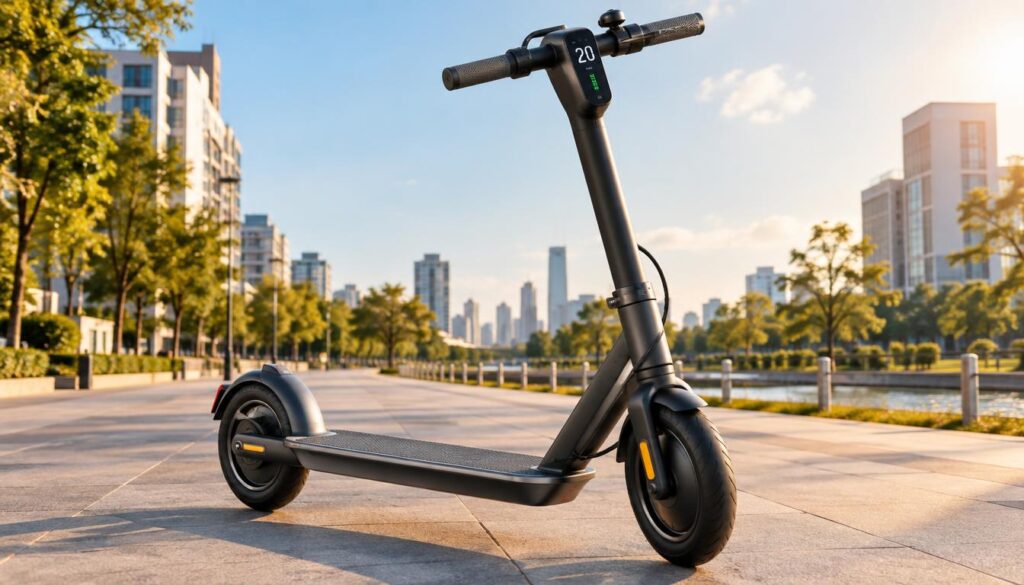
Compare motor power, battery capacity, and claimed range
The electric scooter range and speed figures show clear differences across the lineup. The Go is light and suits shorter trips. The Pro 2nd Gen and Ultra have larger batteries and longer claimed ranges, but they weigh more.
Consider tire type, suspension, and hill-climbing ability
Tires can shape comfort and upkeep. Solid tires resist punctures but may feel firm, while pneumatic and tubeless designs offer a different ride feel. The Ultra adds dual suspension.
Climbing figures are manufacturer claims, so hills, rider load, and battery level can change results.
Review braking, lights, water resistance, and weight limits
Brake designs vary by model, from drum brakes with E-ABS to a disc brake on the first-generation Pro. Water-resistance ratings do not mean a scooter is safe to submerge. The model guide gives no specific lighting inventory for the Standard, so check the exact model listing.
Xiaomi’s 5 Pro and 5 Max add built-in turn signals. Those models are outside the Scooter 4 lineup.
| Model | Motor and battery | Claimed range and top speed | Weight | Tires, suspension, and climb | Brakes, water rating, and max load |
|---|---|---|---|---|---|
| Scooter 4 Go | 250W rated, 450W peak; 165Wh | 18 km; 20 km/h | 13.7 kg | 8.1-inch solid tires; 10% climb | E-ABS and drum brake; IPX4; 90 kg max load |
| Scooter 4 Lite | 300W rated, 600W peak; 187Wh | 20 km; 25 km/h | 15.6 kg | 8.5-inch pneumatic tires; 14% climb | Front E-ABS and rear drum brake; IP54; 100 kg max load |
| Scooter 4 Standard | 300W rated, 600W peak; 275.4Wh | 35 km; 25 km/h | 17.2 kg | 10-inch tubeless tires; 16% climb | Brake details not stated in guide; IP54; 110 kg max load |
| Scooter 4 Pro, 2nd Gen | 400W rated, 1,000W peak; 468Wh | 60 km; 25 km/h | 19 kg | Tire type, suspension, and climb figure not stated in guide | Drum brakes and E-ABS; rating not stated in guide; 120 kg max load |
| Scooter 4 Ultra | 500W rated, 940W peak; 561.5Wh | 70 km; 25 km/h | 24.5 kg | 10-inch DuraGel self-repairing tires; dual suspension; 25% climb | Brake details not stated in guide; IP55; 120 kg max load |
Xiaomi Scooter Reviews: Strengths, Drawbacks, and Ride Quality
The Scooter 4 Standard uses 10-inch tubeless tires and offers a simple setup for city travel. In xiaomi scooter reviews, these tires provide a smoother feel and better puncture resistance than the 4 Lite’s smaller tires. Xiaomi Scooter 4 ride quality still depends on the road because the Standard model has no listed suspension.
What we like about the Scooter 4’s deck, tires, and controls
Larger tubeless tires can soften small bumps and resist flats better than basic pneumatic tires. Xiaomi does not list detailed deck dimensions or every control feature, so check the fit in person before buying.
Where the lack of suspension may affect comfort
On rough streets, tires alone may not absorb every sharp impact. Suspension can improve comfort on longer rides. A separate review of the Xiaomi Scooter 5 describes its hydraulic suspension, but it does not test Scooter 4 Standard.
Maintenance considerations, including tire wear and battery aging
We do not have measured data for tire life, battery aging, or replacement battery costs on the Scooter 4 Standard. Range can change with rider weight, temperature, terrain, speed, and riding mode. Xiaomi’s Pro and Ultra models use self-sealing tires, while the 4 Go’s solid tires remove puncture risk.
| Model detail | What it means for riders |
|---|---|
| Scooter 4 Standard: 10-inch tubeless tires | Smoother ride and better puncture resistance than smaller tires on lower-cost models |
| Scooter 4 Lite: pneumatic tires | Air-filled tires may need checks for pressure and punctures |
| Scooter 4 Go: solid tires | No puncture risk, with a firmer feel over uneven pavement |
| Scooter 4 Standard: no listed suspension | Rough roads may feel less forgiving, especially on longer trips |
Electric Scooter Comparison: Xiaomi vs. Other Models
In an electric scooter comparison, keep claimed range separate from test results. Xiaomi lists the Scooter 4 Standard at up to 21.7 miles per charge. However, independent tests of other brands use different routes and conditions.
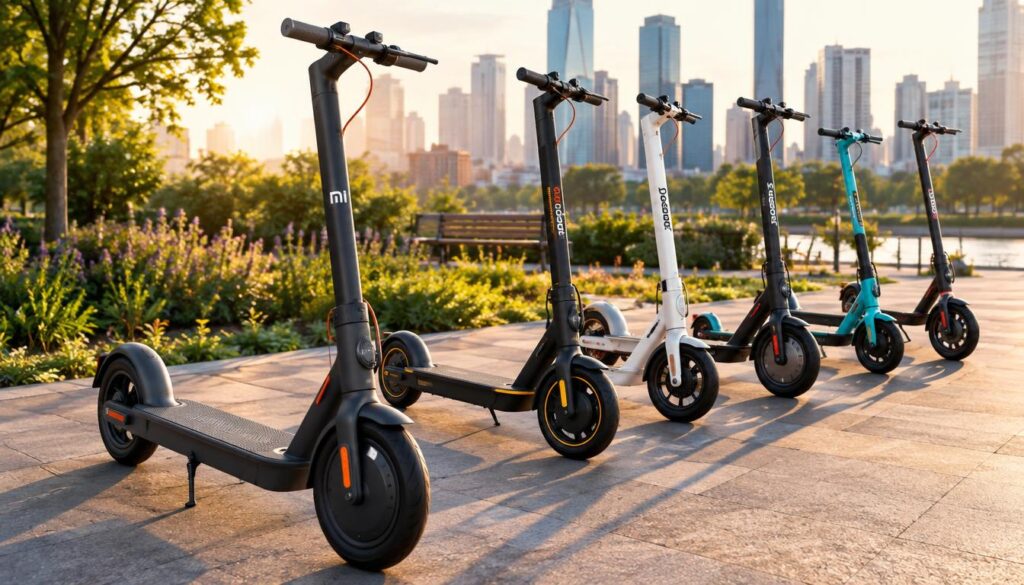
For Xiaomi vs. Segway, the Scooter 4 Standard is lighter on paper than the tested Segway models. The Segway E3 Pro results vary by review. The Ninebot Max G2 trades extra weight for suspension and a higher tested speed.
One independent testing team used a Racelogic VBox Sport and averaged repeated speed, acceleration, and braking runs. It tested range on the same course in Sport mode. Another review says real-world range can fall well below maker estimates, so treat figures as guides, not direct head-to-head results.
| Model | Speed and range | Weight | Ride and test notes |
|---|---|---|---|
| Xiaomi Scooter 4 Standard | Claimed 15.5 mph; claimed 21.7 miles | 37.9 lb | Manufacturer-listed specifications; no independent test figures provided here |
| Segway E3 Pro | Tested 19.3–20 mph; 16.4–17.2 miles | 40.1–41 lb | Tested braking distance ranged from 9 to 16.5 feet; one review noted dual suspension, while another reported a failed 17% hill test |
| Segway Ninebot Max G2 | Tested 21 mph and 16 miles in Sport mode; maker estimate is 25–43 miles | 54 lb | Front and rear suspension; stopped from 10 mph in 9 feet |
| Gotrax GXL V2 | Tested 14 mph and 10 miles | 27 lb | No suspension, turn signals, or brake lights; stopped from 10 mph in 9 feet |
How to Choose the Best Electric Scooter for Your Commute
Choose an affordable electric scooter by checking your route, rider weight, and storage needs. Range, speed, stopping power, comfort, and portability all shape daily use. Remember that faster riding can reduce range.
Best options for short trips and an affordable electric scooter budget
The Xiaomi Scooter 4 Go costs about $330 and claims up to 11.2 miles per charge. Its solid tires suit short, flat trips. However, its 12.4 mph top speed and 90 kg weight limit may not suit every rider.
For about $380, the Elite offers more power and comfort. It has front suspension, 10-inch tubeless tires, a 120 kg weight limit, and a claimed 28-mile range. It weighs 20 kg and takes about eight hours to charge.
Best fit for daily commuting, hills, or longer rides
The 4 Standard is a practical choice for everyday travel. It weighs 17.2 kg, uses 10-inch tubeless tires, and claims a 21.7-mile range. For longer rides or steeper routes, the 5 Pro claims a 60-mile range.
The 5 Pro has turn signals and a 22% climbing angle. Leave a range buffer for hills, cold weather, and faster travel. The best electric scooter for one commute may not suit a heavier rider or steep route.
When a top-rated electric scooter with suspension may suit us better
A top-rated electric scooter with suspension can help on rough pavement, cobblestones, and potholes, despite its extra cost. The 5 Max costs about $620 and pairs front and rear suspension with the 5 Pro’s motor and battery. It also has the 5 Pro’s claimed range.
The 4 Ultra offers dual suspension and a claimed 43.5-mile range, but weighs 24.5 kg and costs about $1,080.
| Model | Approx. price | Claimed range | Useful details |
|---|---|---|---|
| Xiaomi Scooter 4 Go | $330 | 11.2 miles | Solid tires; 12.4 mph top speed; 90 kg weight limit |
| Elite | $380 | 28 miles | Front suspension; 10-inch tubeless tires; 120 kg weight limit |
| Xiaomi Scooter 4 Standard | $450–$499 | 21.7 miles | 10-inch tubeless tires; 17.2 kg weight |
| Xiaomi Scooter 5 Pro | $600 | 37.3 miles | Turn signals; 120 kg weight limit; 22% climbing angle |
| Xiaomi Scooter 5 Max | $620 | 37.3 miles | Front hydraulic-spring and rear dual-spring suspension |
| Xiaomi Scooter 4 Ultra | $1,080 | 43.5 miles | Dual suspension; DuraGel tires; 24.5 kg weight |
Where to Buy a Xiaomi Electric Scooter and Find Electric Scooter Deals
U.S. stock changes by model and seller, so check current listings before planning your purchase. Series 6 launched in Europe in February 2026, but U.S. availability was not confirmed in the Xiaomi scooter buying guide. The guide’s possible U.S. launch within three to six months was only a projection, not a confirmed release date.
Check model availability, seller reputation, and warranty terms
Choose a seller with clear return rules and reachable support. Check the exact model and generation because similar names can cause confusion. Warranty length and coverage may differ, so get the terms in writing before you buy xiaomi electric scooter.
Search for electric scooter deals, but compare the complete offer rather than its sale price. Confirm that replacement parts and repair service are available in the United States.
Compare new, refurbished, and used scooter prices
Listed U.S. prices vary by model and can change. Use these examples to judge whether an offer fits the listed range.
| Model | Approximate listed price |
|---|---|
| Scooter 4 Go | $330 |
| Elite | $380 |
| Scooter 4 Lite | $400 |
| Scooter 4 Standard | $450–$499 |
| Scooter 5 Pro | $600 |
| Scooter 5 Max | $620 |
| Scooter 4 Pro, first generation | $700 |
| Scooter 4 Pro, second generation | $750 |
| Scooter 4 Pro Max | $850 |
| Scooter 4 Pro Plus | $900 |
| Scooter 4 Ultra | $1,080 |
Use these Xiaomi scooter prices as a guide, not a promise of today’s checkout cost. Older models often appear used, and many include aftermarket parts. Refurbished prices and sale discounts vary by seller, so review condition and terms closely.
What to verify before we buy a Xiaomi electric scooter
Check the stated range, battery capacity, motor rating, tire type, brakes, water-resistance rating, and maximum load. Make sure the charger comes included, then review return, warranty, and parts-support terms.
For a used scooter, ask about battery health, tire wear, brake function, and folding hardware. Test these parts in person when possible, then compare the price with a new model before choosing.
Conclusion
A Xiaomi electric scooter can handle short trips and longer commutes. The 4 Go costs less, while the 4 Standard offers a middle choice. The Elite focuses on value, while the 5 Pro, 5 Max, and 4 Ultra add range or comfort.
The Scooter 4 Standard lists a 275.4Wh battery, a claimed 35 km range, and a 25 km/h top speed. It has 10-inch tubeless tires and weighs 17.2 kg, based on manufacturer figures, not an independent ride test. Actual range may change with speed, rider weight, hills, and weather.
To find the best electric scooter for commuting, compare trip distance, terrain, suspension, brakes, tire type, weight, and maximum load. Check current U.S. stock and warranty terms before buying. Xiaomi Series 6 models launched in Europe in 2026, but U.S. availability remains unconfirmed.